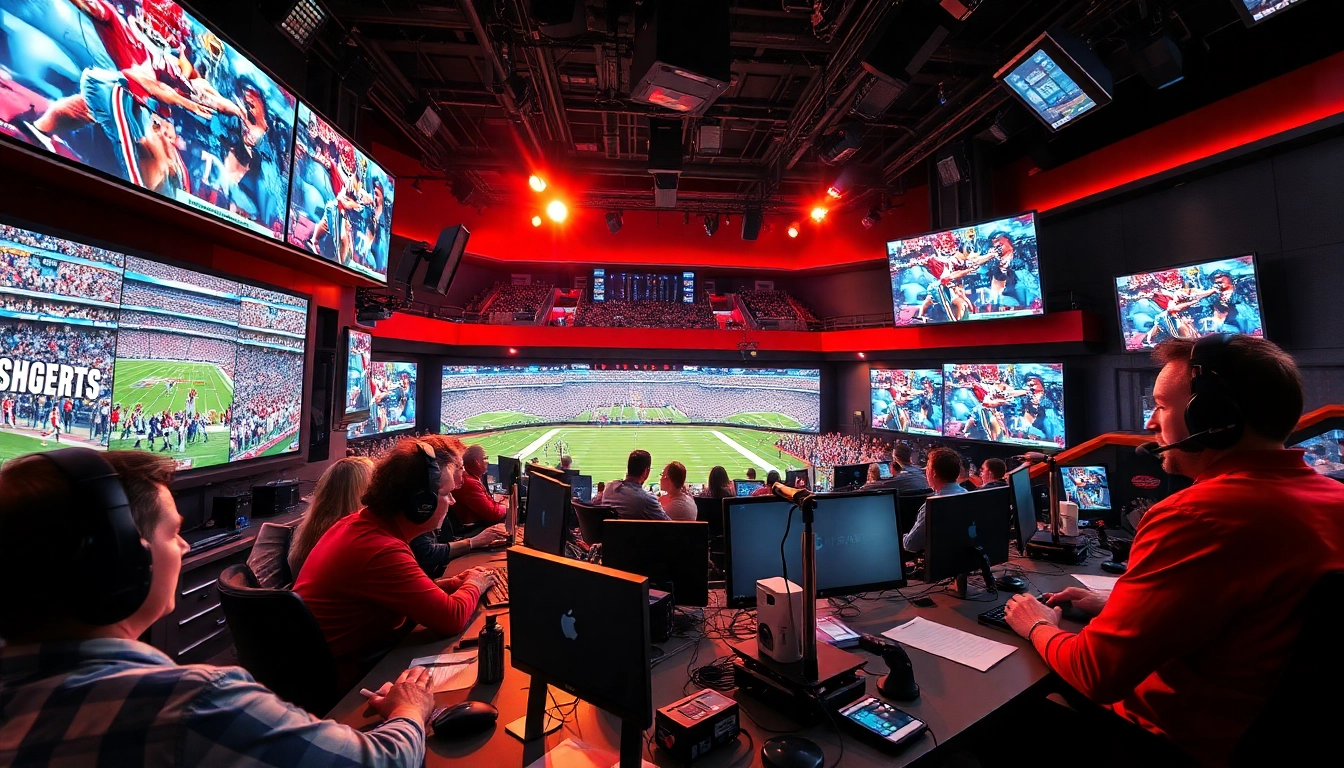
The Evolution and Future of Sports Broadcasting: Trends and Technologies
Understanding the Fundamentals of Sports Broadcasting
What is Sports Broadcasting?
Sports Broadcasting refers to the dissemination of live or recorded sports events to an audience through various media channels, such as television, radio, and online platforms. It encompasses play-by-play commentary, analysis, and post-game discussions, all designed to enhance viewer engagement and provide a comprehensive understanding of the events taking place. With the rise of digital media, Sports Broadcasting continues to evolve, incorporating innovative technologies that allow fans to experience sports like never before.
The Roles in Sports Broadcasting
Sports broadcasting involves a range of roles, each contributing to the delivery of quality content to fans. Some of the key roles include:
- Commentators: These individuals provide live narration of events, offering insights and excitement that enhance the viewing experience.
- Analysts: Analysts often break down plays and strategies, providing viewers with a deeper understanding of the game.
- Producers: Producers oversee the logistics of broadcasting, including scheduling, technical operation, and crew management.
- Cameramen and Technicians: They are responsible for capturing the action and ensuring that the broadcast quality is high.
- Program Directors: They set the tone and direction of the broadcasts, determining which events will be covered and how they are presented.
The History of Sports Broadcasting
The history of sports broadcasting dates back to the early 20th century when radio emerged as a popular medium. Initial broadcasts of baseball games set the stage for future developments. With the advent of television, sports gained unprecedented visibility, and landmark events like the Super Bowl transformed how fans interacted with their favorite teams. Today, sports broadcasting includes digital streaming and interactive platforms, marking a significant shift in how content is consumed.
Key Technologies Shaping Sports Broadcasting
Live Streaming Innovations
Live streaming has revolutionized how sports are broadcasted, allowing fans to watch events in real-time on multiple devices. Technologies like adaptive bitrate streaming ensure that the quality of the feed adjusts based on the viewer’s internet speed, enhancing their experience. With the ability to interact with other fans and access supplementary content during live streams, this medium has become increasingly popular and indispensable.
Broadcasting Equipment Essentials
The backbone of any sports broadcast is its equipment. Essential tools include high-definition cameras, mixers, and transmission systems. Remote production technologies have also emerged, reducing the need for extensive on-site setups and allowing broadcasters to operate from centralized locations. Continuous advancements in equipment are pushing the boundaries of what is possible, providing clearer, more immersive experiences for viewers.
Trends in Viewer Engagement Technologies
Modern viewer engagement technologies are designed to enhance the fan experience. Innovations such as augmented reality (AR) and virtual reality (VR) are changing how viewers interact with broadcasts. Features like multi-camera angles and real-time statistics enable fans to follow the action as if they were on the field. Additionally, interactive social media functionalities are creating vibrant fan communities that enhance the overall experience.
Challenges Faced by Sports Broadcasters Today
Managing Broadcast Rights and Licenses
One major challenge in sports broadcasting is navigating the complex landscape of broadcast rights and licensing. As leagues and teams seek to maximize revenue, broadcasters must negotiate contracts that reflect the value of their content. These agreements can vary widely based on the popularity of the sport, the demographic of the audience, and regional preferences, creating a challenging environment for content distributors.
Adapting to Changing Viewer Habits
With the rise of on-demand content and mobile viewing, traditional broadcasting methods are increasingly at risk. Viewers today prefer to control their viewing experiences, leading broadcasters to adapt by offering flexible content delivery options. This means investing in platforms that support mobile and streaming services while ensuring quality and accessibility across devices.
Overcoming Technical Difficulties
Technical difficulties can derail live broadcasts, leading to viewer frustration. Issues such as signal loss, equipment failure, or inadequate internet connections can disrupt the transmission. Sports broadcasters must have contingency plans in place, including backup equipment and technical support teams, to mitigate these risks effectively.
Best Practices for Effective Sports Broadcasting
Enhancing Audience Interaction
Boosting audience interaction is crucial in maintaining viewer loyalty and engagement. Techniques include integrating social media platforms, allowing fans to share their thoughts during broadcasts, and utilizing interactive features such as polls and Q&A sessions with commentators. These practices encourage a dynamic experience that keeps viewers connected to the content.
Quality Production Techniques
Production quality directly impacts the viewer’s experience. Investing in high-definition cameras, skilled personnel, and efficient editing software ensures that broadcasts are polished and professional. Techniques such as replay systems, drone photography, and advanced graphics add layers of engagement and excitement to sports events.
Content Strategy for Broadcasting
A robust content strategy is essential in sports broadcasting. This involves planning not just for live events but also for promotions, behind-the-scenes footage, and pre- and post-game analyses. Engaging storytelling can transform a standard broadcast into an immersive experience, captivating viewers and enhancing overall ratings.
The Future of Sports Broadcasting
Predictions for Emerging Trends
The sports broadcasting landscape is poised for exciting developments. Trends such as personalized content delivery, where algorithms curate viewing experiences based on individual preferences, are likely to dominate. Additionally, the convergence of different media formats and platforms will create a more integrated viewing experience, bridging the gap between traditional and digital content delivery.
The Role of AI in Sports Broadcasting
Artificial intelligence is set to revolutionize sports broadcasting. From automating highlight generation to enhancing viewer analysis, AI can improve efficiency and creativity within the industry. Predictive analytics can also offer insights into viewer preferences, paving the way for more tailored and engaging content.
Future Challenges and Opportunities
While the future is bright, challenges remain. Maintaining a competitive edge amid a rapidly evolving media landscape will be critical. Broadcasters must adapt to changing regulations, viewer expectations, and technological advancements. However, these challenges come with opportunities for innovation, growth, and deeper connection with audiences.
Frequently Asked Questions
What is the primary purpose of Sports Broadcasting?
The primary purpose of Sports Broadcasting is to deliver sports events to audiences through various media formats while providing commentary and analysis that enhance the viewing experience.
How has technology impacted Sports Broadcasting?
Technology has revolutionized Sports Broadcasting through live streaming, advanced broadcasting equipment, and enhanced viewer engagement technologies, creating a more interactive experience.
What are the major roles in Sports Broadcasting?
Key roles include commentators, analysts, producers, camera operators, and program directors, each contributing to the overall delivery of sports content.
What challenges do Sports Broadcasters face?
Challenges include managing broadcast rights, adapting to changing viewer habits, and overcoming technical difficulties, all of which require strategic solutions.
What is the future of Sports Broadcasting?
The future of Sports Broadcasting looks toward personalized content, the integration of AI technologies, and more immersive viewer experiences, presenting both challenges and opportunities.